Haircut with Bangs The Ultimate Guide

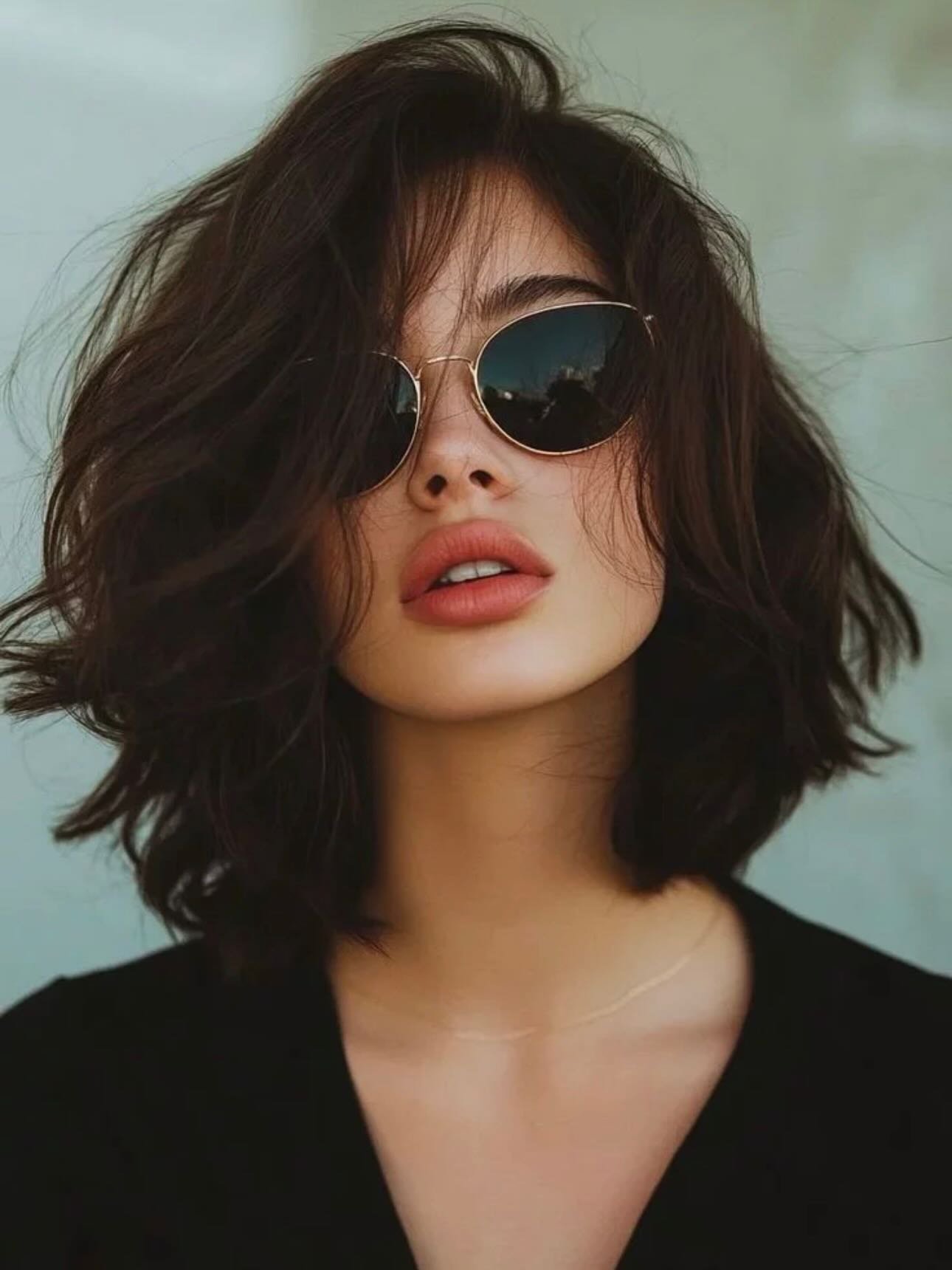

Haircut with Bangs: The Ultimate Guide to Every Fringe Style. Bangs are no longer a risky choice; they are the focal point of hair. From the rock-and-roll shag to the soft curtain bob, stylists agree that this year’s fringe is softer, more customized, and meant to grow out naturally.
Whether you desire a dramatic alteration or a subtle face-framing adjustment, the perfect bangs may accentuate your eyes, soften your bone structure, and make even a plain ponytail appear deliberate. This article explains the seven most popular bang hairstyles, how to style them at home, and the principles to follow before you pick up the scissors.
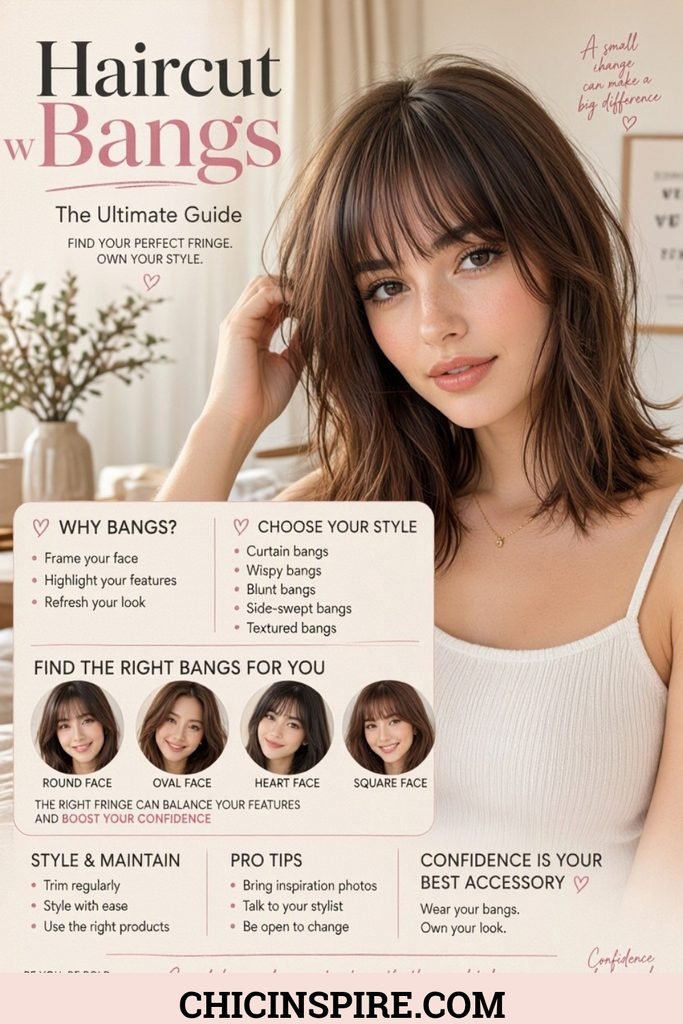
Why Get a Haircut with Bangs?
Bangs provide the most dramatic transformation with the least commitment. Celebrity stylists say that bangs “frame the face, highlight the eyes, and subtly enhance bone structure,” which is why they never go out of style.
The appeal is even stronger: modern bangs are designed to move freely, grow out smoothly, and blur the distinction between fringe and face-framing layers. They also answer specific styling issues: wispy bangs offer texture to thick hair without adding weight, and side bangs soften a strong jawline without the brutal edge of a complete fringe.
If you have been considering a shorter cut but are not ready for a pixie or bob, bangs act as a “test run” for how shorter face-framing pieces will look on you.
Long Curtain Bangs for Straight Hair
Curtain Bang Haircuts: The Best Curtain Bang Hairstyles
Whispy Bangs Hairstyle Ideas Face-Framing Looks
Best Haircut with Bangs Styles
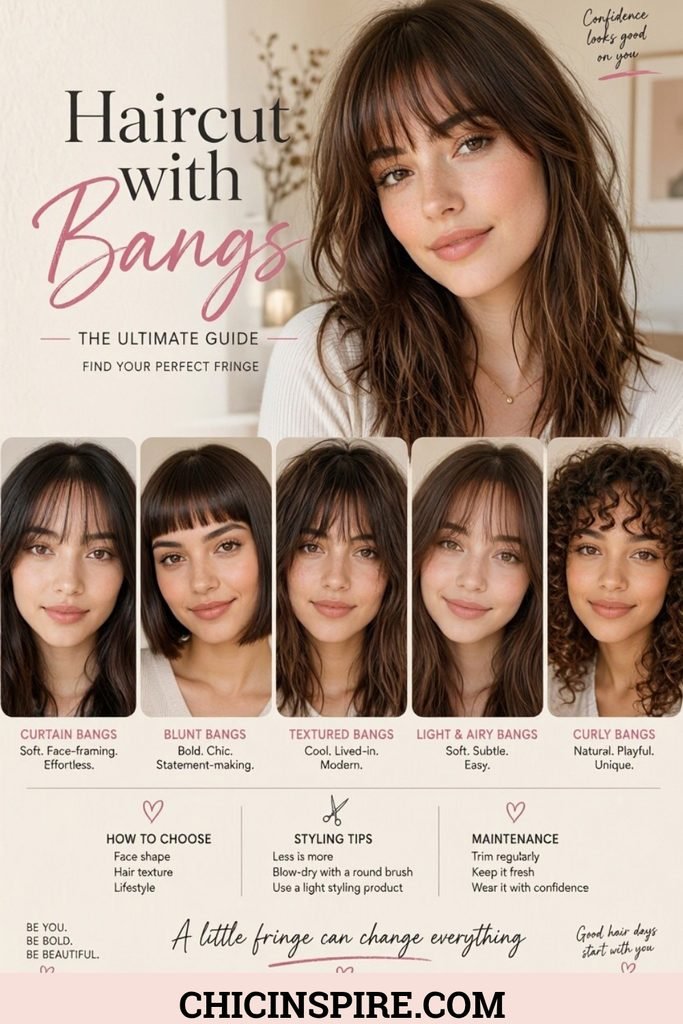
The best fringe is one that complements your facial hair type and styling preferences. Curtain bangs are still the gold standard for versatility; shortest in the center and longer on the sides, they may be worn full, flicked, or side-swept.
Shaggy bangs are the low-maintenance option, flowing easily into layers and progressing to curtain bangs as they mature. Side bangs are a softer, more adaptable alternative to blunt fringe, and stylists say they look good on every face shape or texture. Short hair curtain bangs create a French-girl bob hybrid that is effortlessly finished.
The shag haircut with bangs combines choppy layers with fringe for maximum volume and movement. Finally, the long shag with bangs lets you keep your length while adding shape around the face, ideal if you want transformation without a major chop.
20 Bang Haircut Ideas with Examples, Tips, and Guides
Curtain Bangs and Short Hair
Classic Curtain Bob
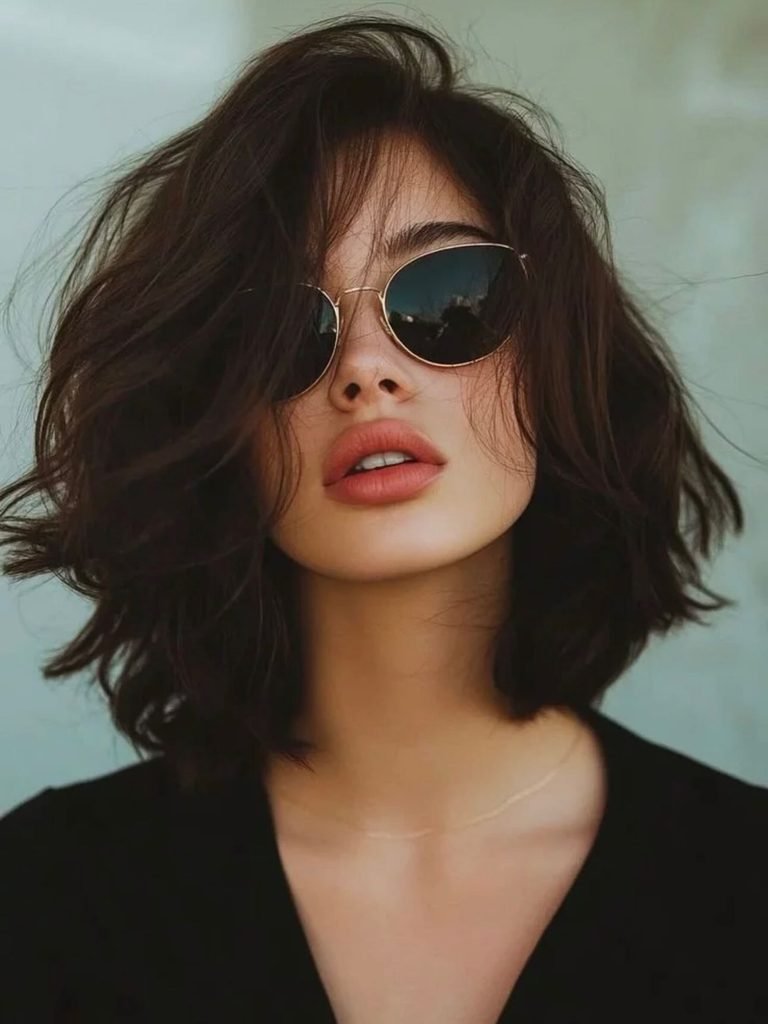
Classic Curtain Bob: Ask for a bob that sits between the ear and shoulder, with curtain bangs that hit at the cheekbones. Selena Gomez and Sabrina Carpenter popularized this look. Tip: Blow-dry bangs from side to side first to neutralize cowlicks, then use a small round brush for a soft bend.
Short Hair Curtain Bangs on a Pixie

Short Hair Curtain Bangs on a Pixie: Pair a long pixie with curtain bangs that skim the brows. Example: A soft, textured pixie with longer front pieces creates a “grow-out” look that feels intentional. How-to: Dampen bangs, comb forward, and use your fingers—not a comb—to create the parting.
Curtain Bangs with a French Bob
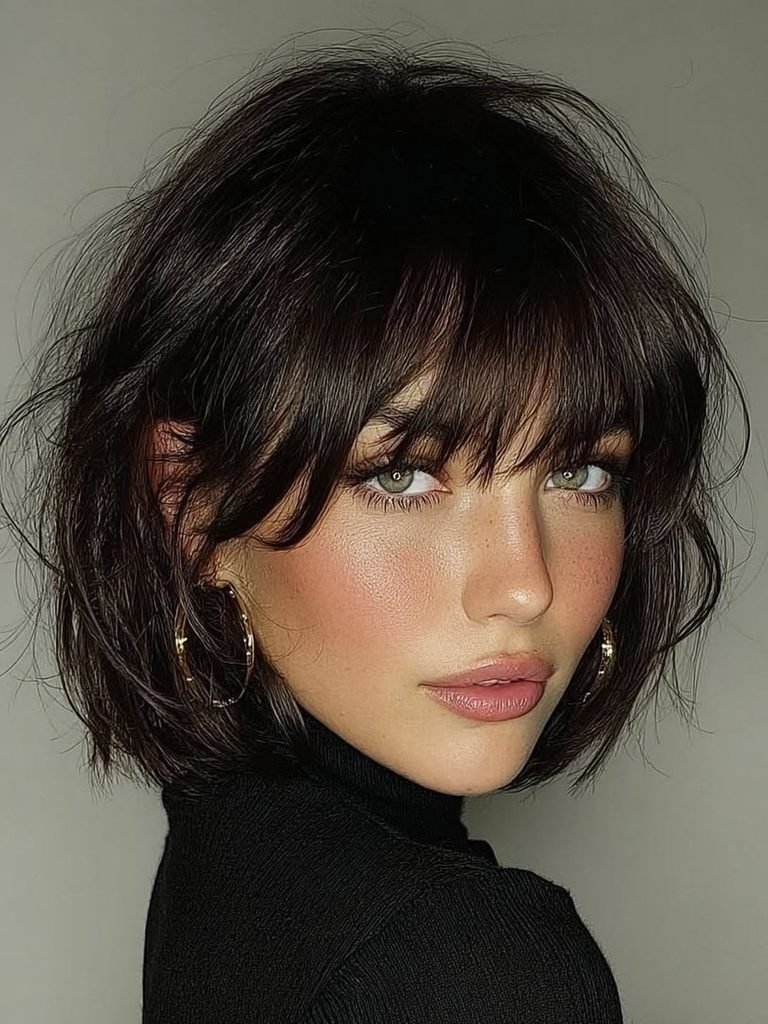
Curtain Bangs with a French Bob: A chin-length bob with curtain bangs that curve away from the face. Tip: Keep the bangs “not too clumpy or blocky” so they form shape almost on their own.
Curtain Bangs on Curly Short Hair
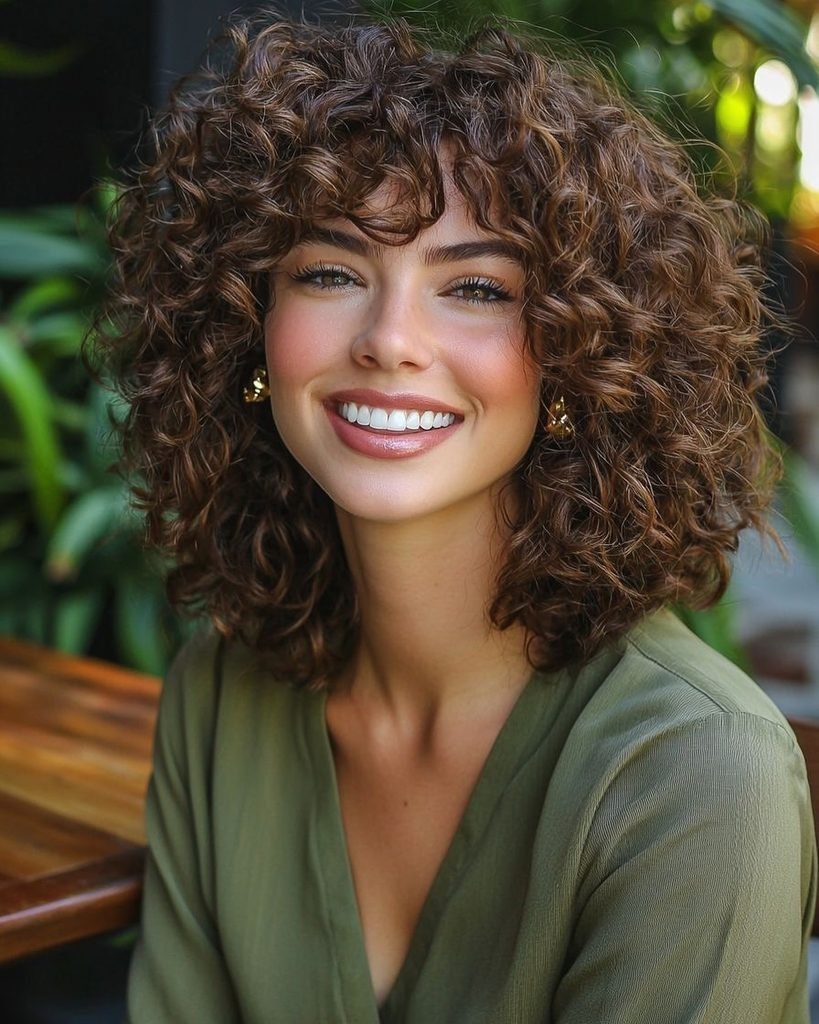
Curtain Bangs on Curly Short Hair: Cut dry to account for shrinkage. Example: A curly bob with bangs that follow the natural curl pattern rather than fighting it. Guide: Use a diffuser and avoid brushing out curls.
Draped Bob with Curtain Bangs
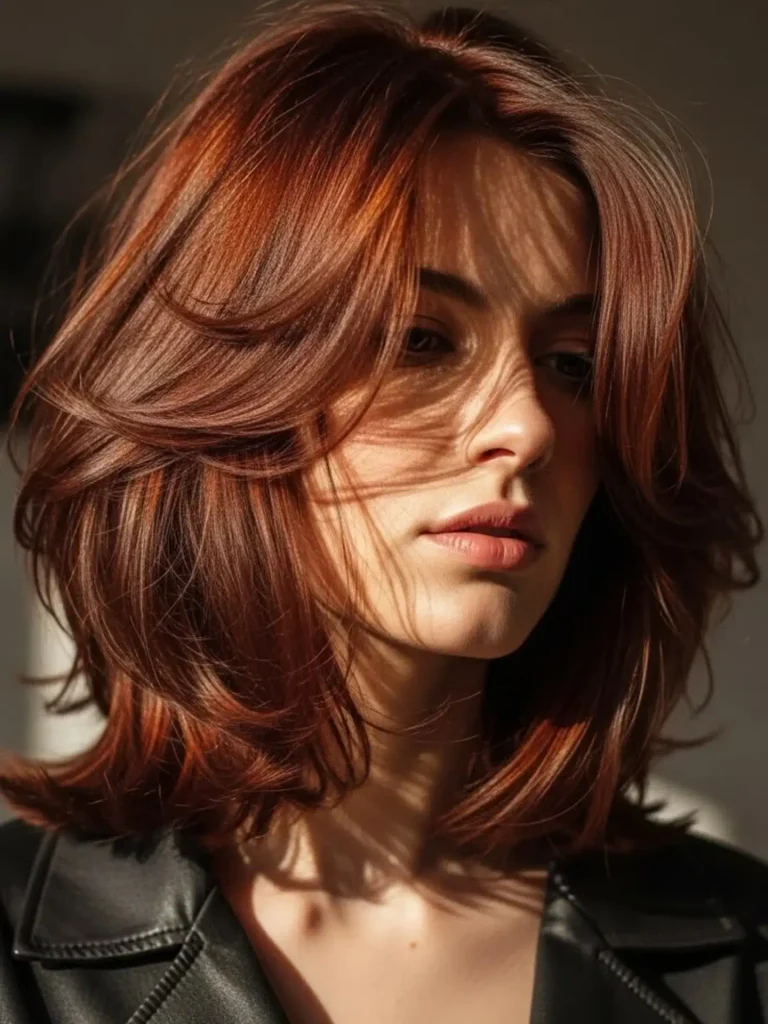
Draped Bob with Curtain Bangs: Soft layers throughout with curtain-esque bangs that “drape” across the forehead. This cut works on every hair type and air-dries beautifully.
Shaggy Bangs and Shag Cuts
Shaggy Bangs on Long Hair
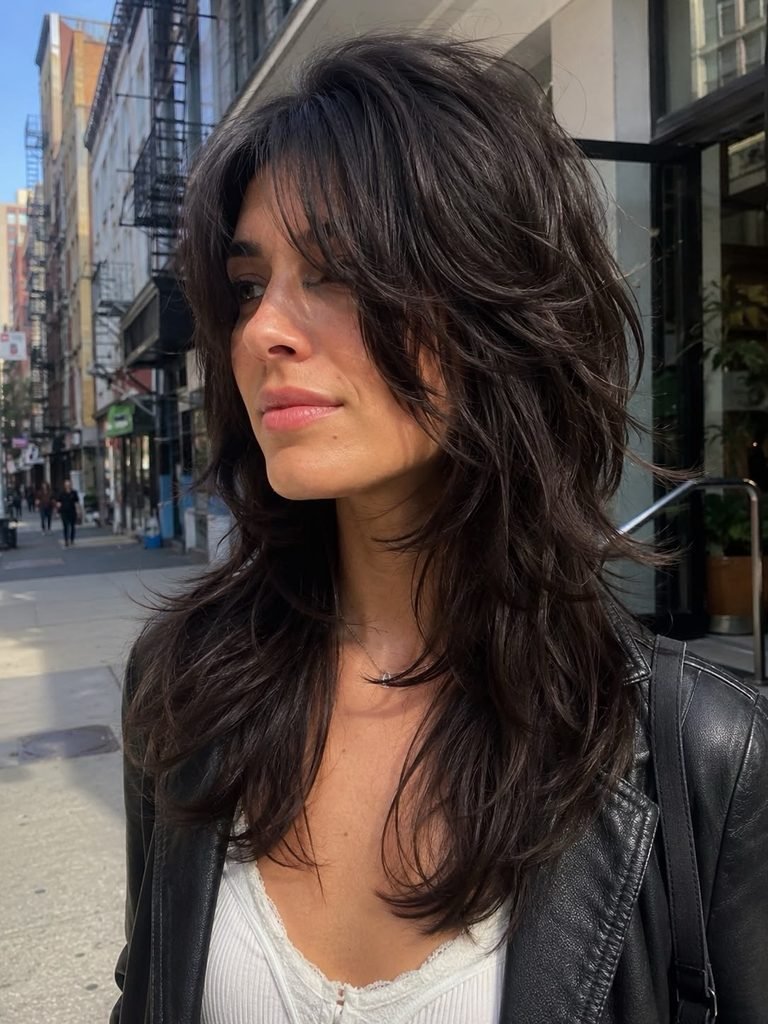
Shaggy Bangs on Long Hair: Choppy, piecey fringe that blends into long layers. Example: A rock-and-roll shag with bangs that hit just below the brow. Tip: Let wavy hair air-dry; use texturizing spray on straight hair for grip.
Modern Shag with Curtain Bangs
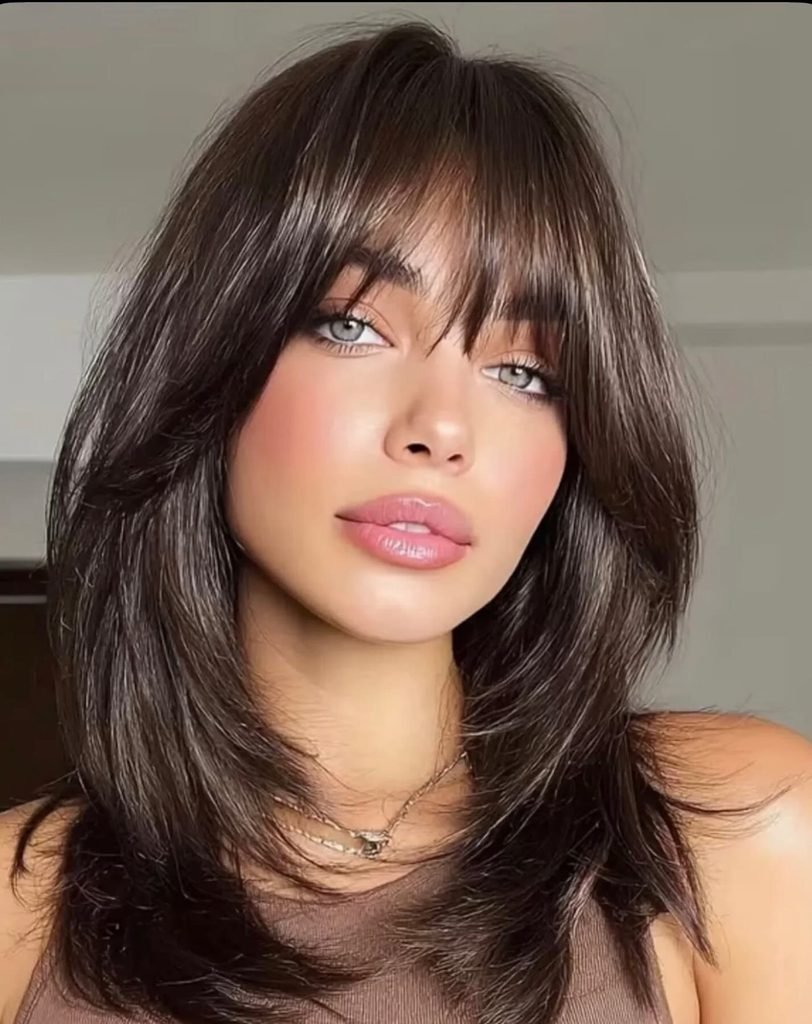
Modern Shag with Curtain Bangs: A toned-down shag with choppy layers and curtain bangs. Example: Jenna Ortega’s modern shag. How-to: Use a round brush for sleek movement or a diffuser for an undone finish.
Shag with Baby Bangs
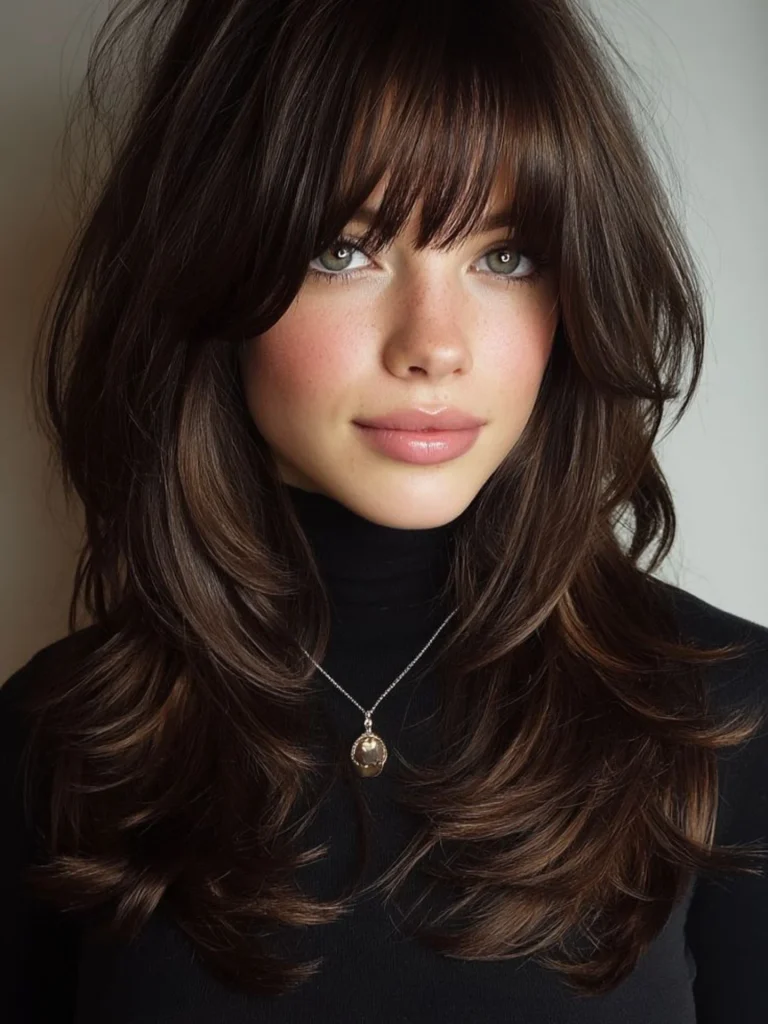
Shag with Baby Bangs: A curly shag paired with short, textured micro bangs. Example: Jodie Turner-Smith’s curly shag with baby bangs. Tip: Define curls with a soft gel and diffuse to prevent frizz.
Long Shag with Side-Swept Bangs
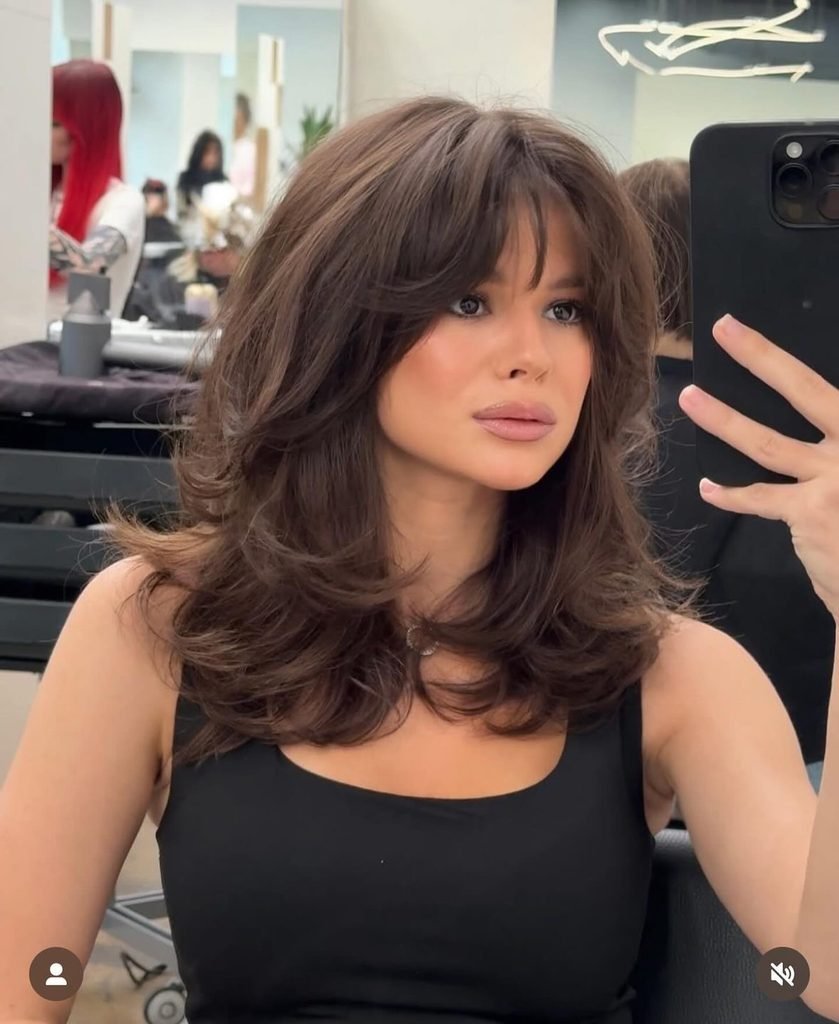
Long Shag with Side-Swept Bangs: Keep length past the shoulders with shaggy layers and bangs swept to one side. Guide: Direct bangs toward your desired side while drying; use a small round brush for a gentle curve.
Shaggy Bangs for Fine Hair

Shaggy Bangs for Fine Hair: Ask for wispy, textured bangs with negative space. Tip: Mousse at the roots and a texture spray at the ends add volume without weight.
Side Bangs and Side-Swept Styles
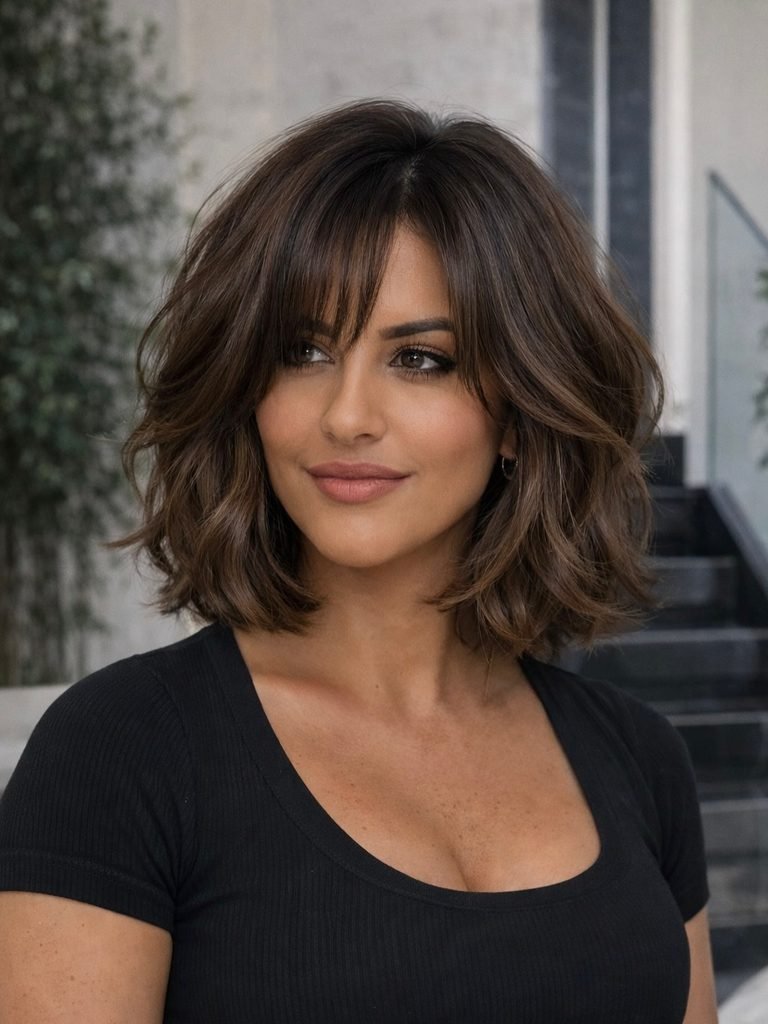
Subtle Side Bang: A light, face-framing sweep that blends into layers. Example: A long lob with a soft side part. Tip: Blow-dry hair from right to left, then left to right—not into the side part—for maximum volume.
2000s Side Bang with Long Layers
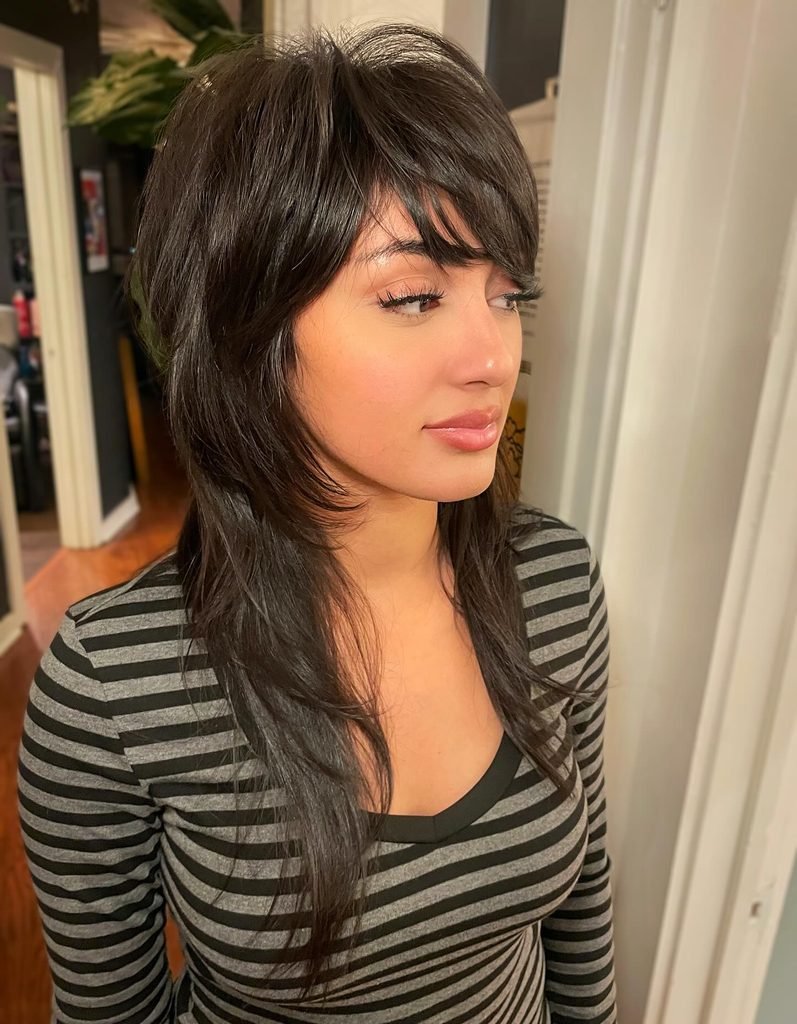
2000s Side Bang with Long Layers: A fuller side bang with soft waves. How-to: Use large Velcro rollers for a bouncy, tousled finish.
Side Bang High Ponytail
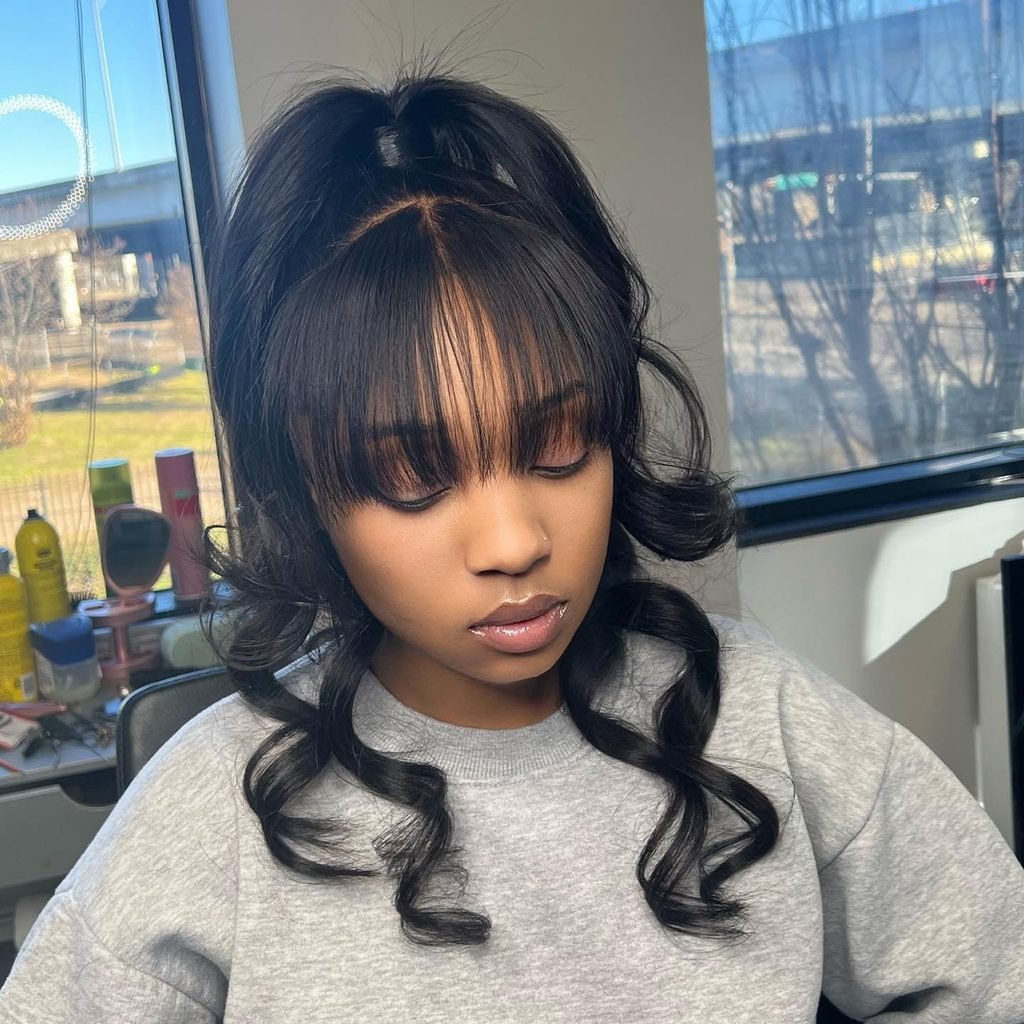
Side Bang High Ponytail: Sweep bangs to one side and pull the rest into a high pony. Tip: This adds drama to a simple style and works on straight, wavy, or curly hair.
Side Bangs on a Bob
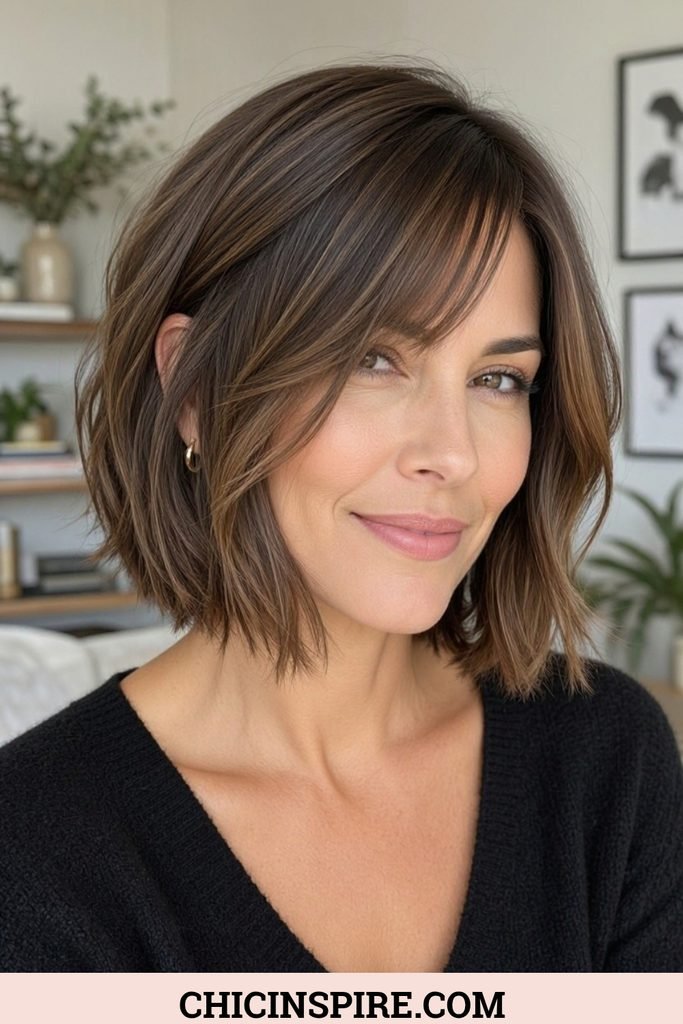
Side Bangs on a Bob: Soft side bangs soften the silhouette of a blunt bob. Guide: Ask for light layers that blend into the bob, not a separate “block” of fringe.
Curtain Bangs Worn Side-Swept
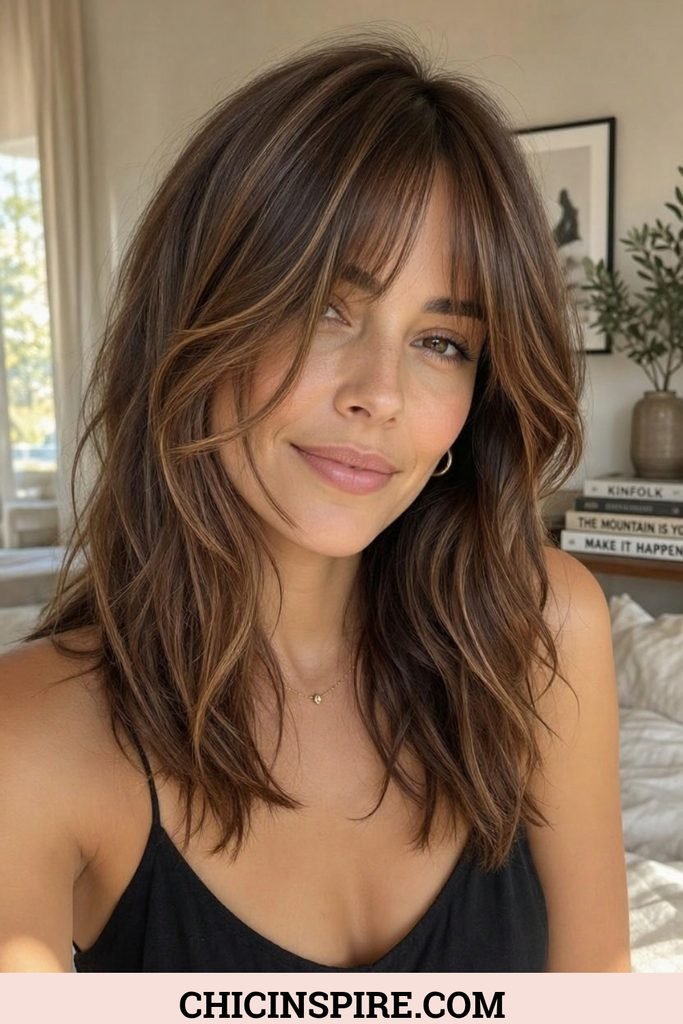
Curtain Bangs Worn Side-Swept: If you already have curtain bangs, you can wear them to the side without a new cut. Tip: Blow-dry for volume first, then use your hands—not a brush—to sweep them over.
Long Shag and Grown-Out Styles
Long Shag with Curtain Bangs
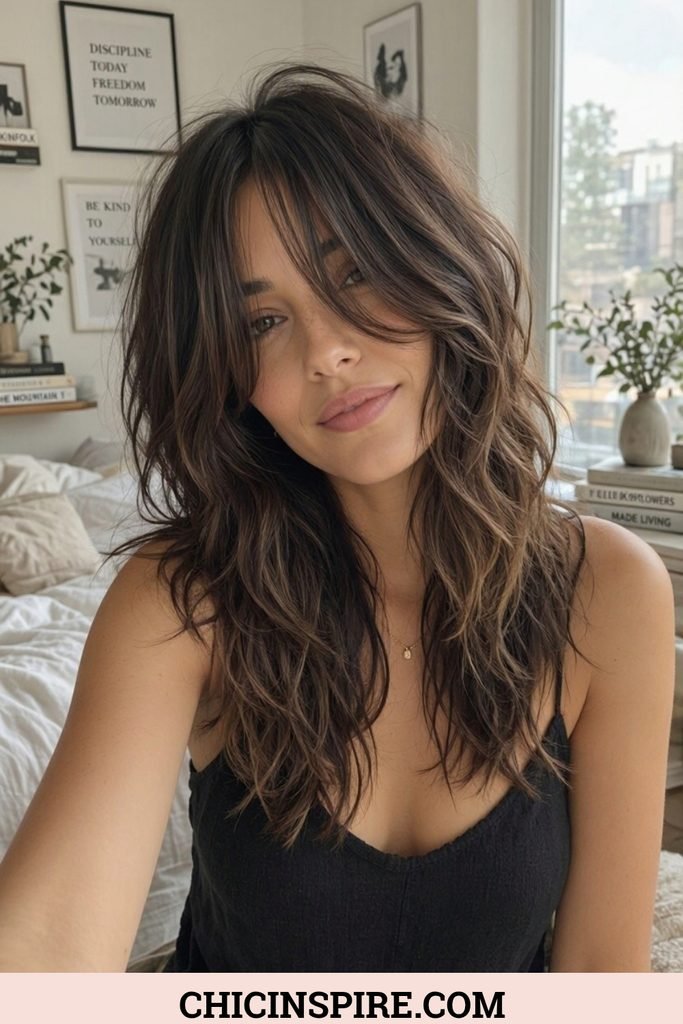
Long Shag with Curtain Bangs: Keep length past the shoulders, add shaggy layers, and pair with curtain bangs. Example: A layered shag with bangs that hit at the brow bone. How-to: Focus styling on the bangs, cheek layers, and crown—leave the ends more natural.
Grown-Out Shaggy Bangs
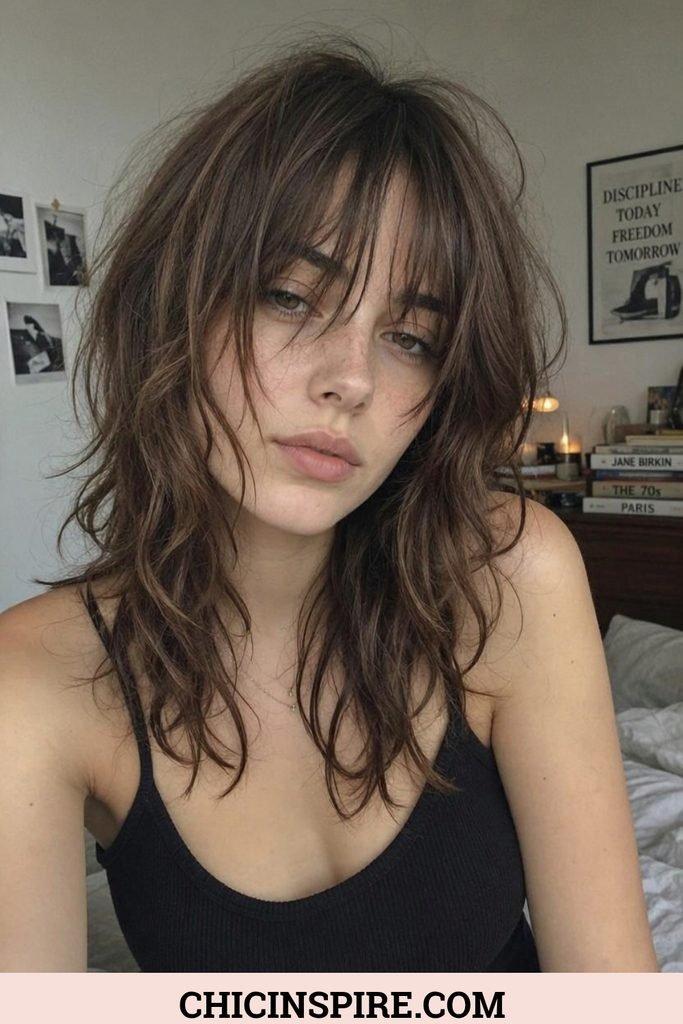
Grown-Out Shaggy Bangs: Let shaggy bangs grow into curtain bangs. Tip: This is a two-in-one style; when bangs grow, sweep them to the side, and they become face-framing layers.
Long Shag with Wispy Bangs
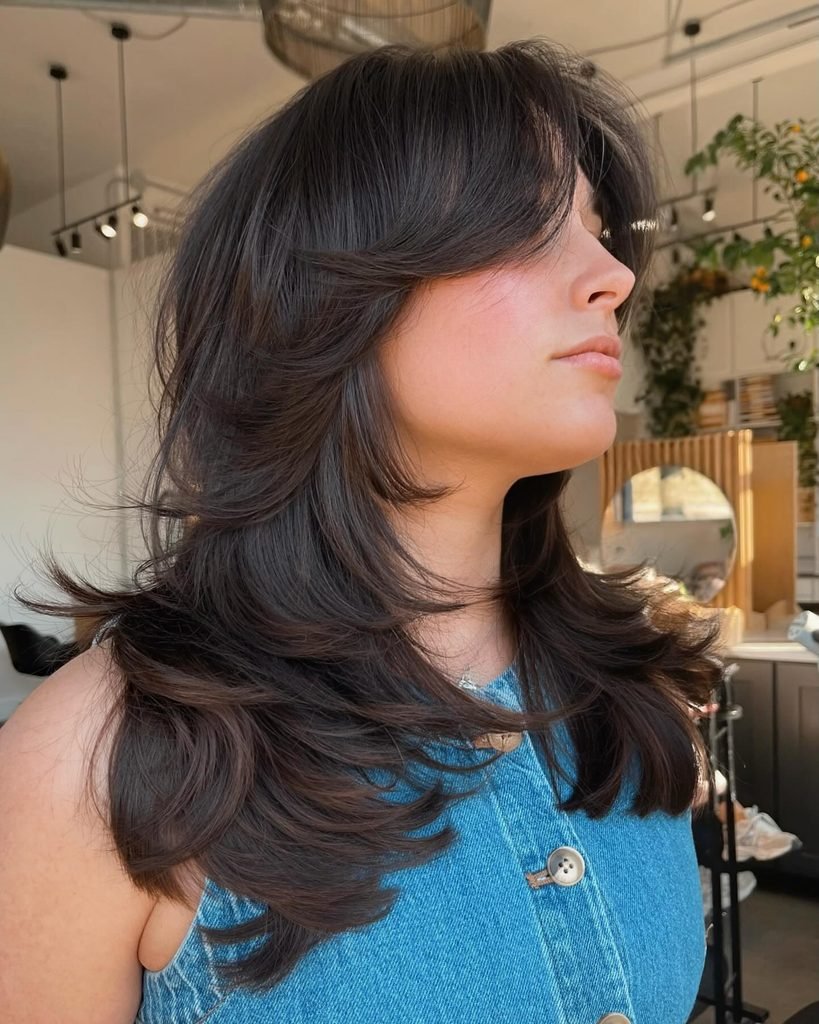
Long Shag with Wispy Bangs: A softer take on the shag, with barely-there fringe. Guide: Ask for wispy bangs with space between strands; use root-lift spray for volume.
Shag with Curly Bangs
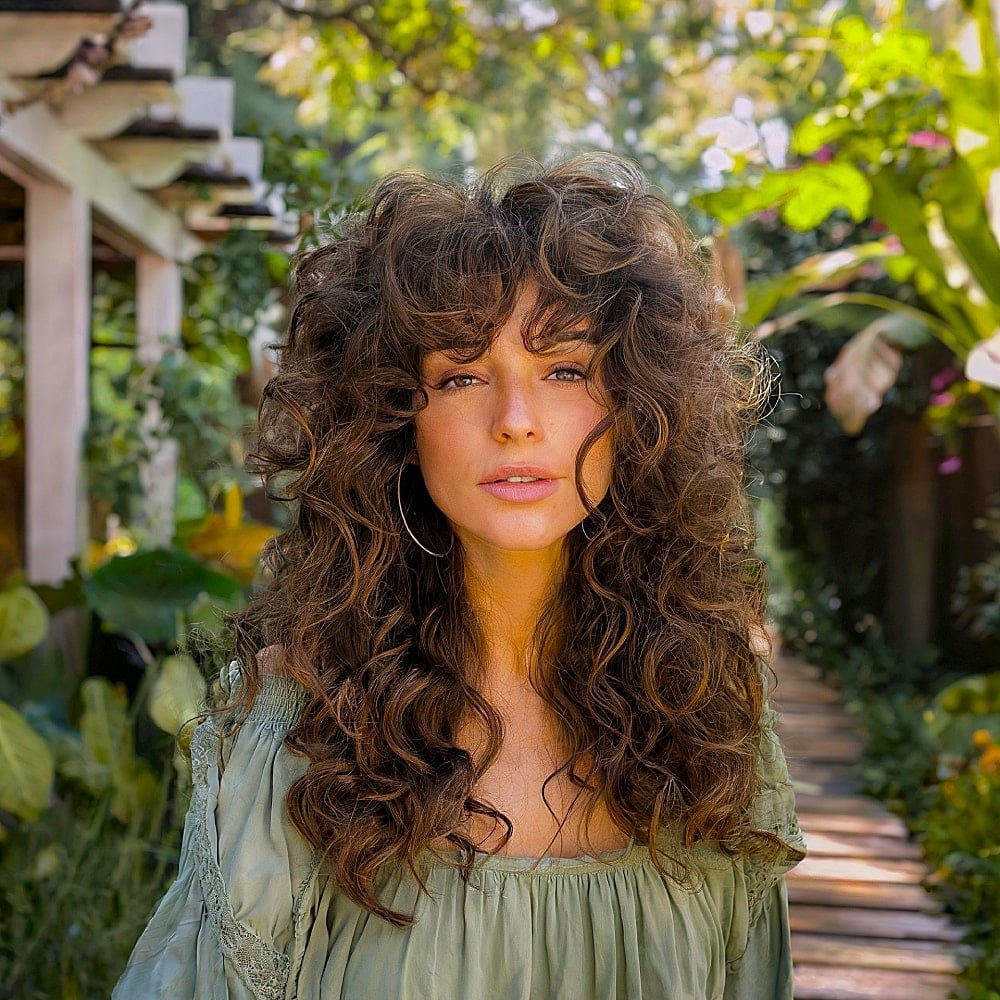
Shag with Curly Bangs: A long curly shag with bangs cut to follow the curl pattern. Tip: Use a diffuser and a curl cream; avoid over-brushing.
Long Shag with Micro Bangs

Long Shag with Micro Bangs: A bold contrast—long shaggy layers with short, textured bangs. Example: A modern editorial look that emphasizes the eyes. Tip: Blow-dry micro bangs side to side with a Denman brush and refine with a flat iron.
Q&A
Will bangs make my face look rounder?
Not if they are cut correctly. For round faces, stylists recommend avoiding bangs that fall in the middle of the face, as they can exaggerate roundness. Instead, opt for slightly shorter or longer bangs; curtain bangs that hit at the cheekbones or side-swept styles work well.
How often do I need to trim bangs?
Every 2 to 3 weeks if you want to maintain a precise length. Wispy and shaggy bangs can stretch to 4 weeks, but micro bangs require frequent trims because even a small amount of growth changes the look.
Can I have bangs with curly hair?
Yes, curly bangs are one of the biggest trends. The key is to cut them dry so your stylist can see how the curls fall, and to leave them slightly longer to account for shrinkage. Never fight the curl pattern; work with it.
What is the easiest bang style to grow out?
Shaggy bangs and curtain bangs grow out the most gracefully. Shaggy bangs can be swept to the side as they grow, becoming curtain bangs without an awkward phase. Wispy bangs are also low-commitment because they blend into layers.
How do I stop my bangs from getting greasy?
Keep styling products off the roots of your bangs, and wash just the fringe in the sink between full washes. A dry shampoo mist at the roots—not the ends—absorbs oil without making the fringe stiff.
What Your Bangs Say Before You Speak
Bangs are a statement, even when they are subtle. A full, blunt fringe reads as bold and fashion-forward; wispy bangs signal effortlessness; side bangs feel romantic and soft. Celebrity stylist Pamela Neal calls bangs “French Botox” because they smooth the forehead and draw attention to the eyes. The first impression you make with bangs is one of intentionality—you chose to frame your face, and that confidence shows.

How to Ask Your Stylist for the Right Bangs
Bring photos, but also bring words. Tell your stylist what you don’t want (too heavy, too short, too blunt) as clearly as what you do want. Ask them to assess your face shape and hair texture before cutting. For curtain bangs, request that they “blend into the surrounding layers,” so you can’t tell where the bangs end.
For shaggy bangs, ask for “choppy, textured ends that can be swept aside as they grow”. For side bangs, ask for “light layers that sweep across the forehead and blend into the rest of the cut” rather than a separate, static fringe. If you have curly hair, insist on a dry cut.
Products and Info: What You Actually Need
You do not need a bathroom full of tools. A small round brush (or a Denman brush for micro bangs), a blow dryer with a concentrator nozzle, and a lightweight styling cream or mousse cover 90% of bang styling. For curly bangs, add a diffuser and a soft-hold gel.
For straight hair that loses shape quickly, a texture spray at the roots and a one-second flat iron pass revive the bend. A dry shampoo for bangs only extends time between washes. Skip heavy oils and waxes on the fringe—they weigh it down and attract oil.
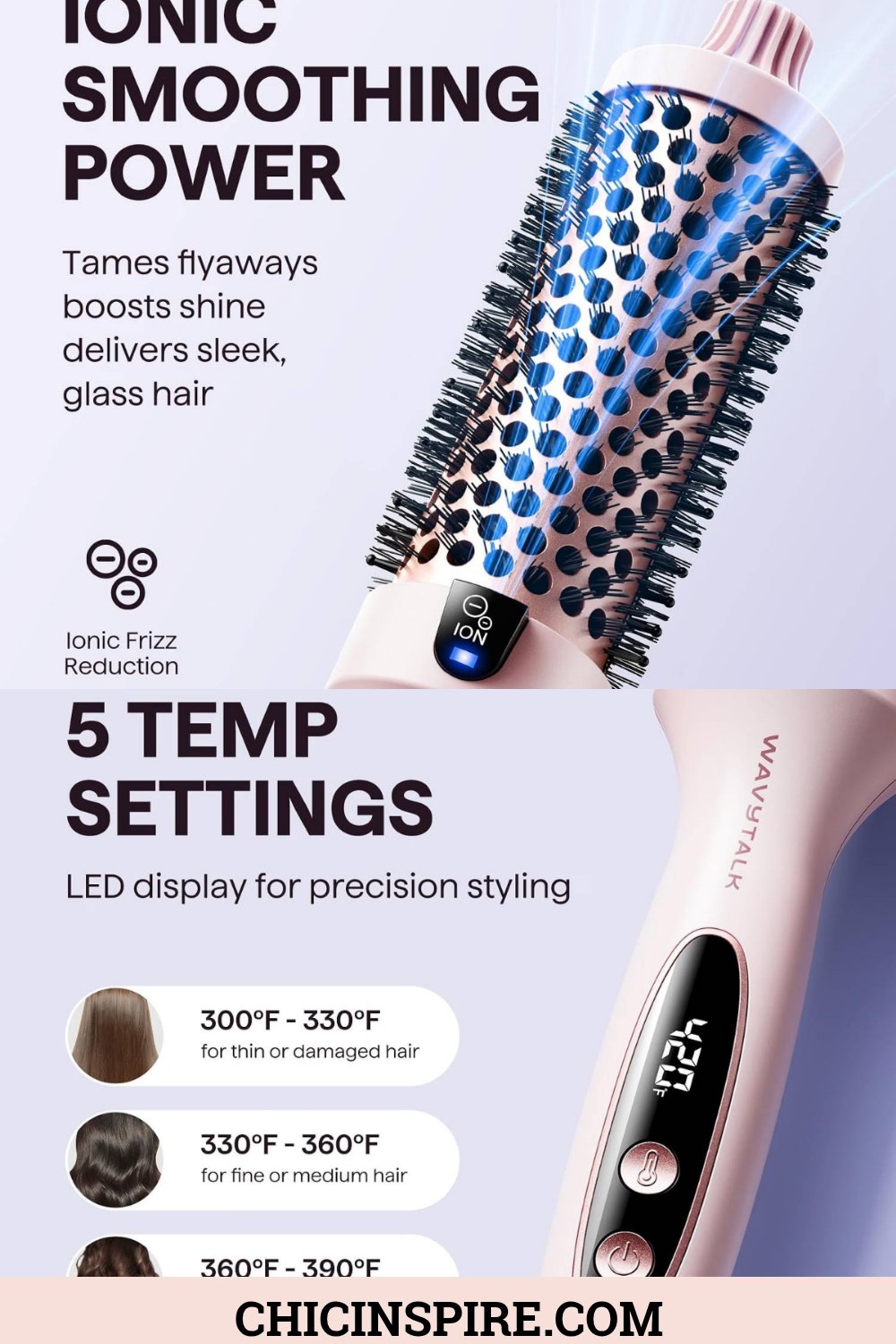
Small round brush
Thermal Brush Blowout Boost 1.5″ Heat Round Brush for Blowout Loo
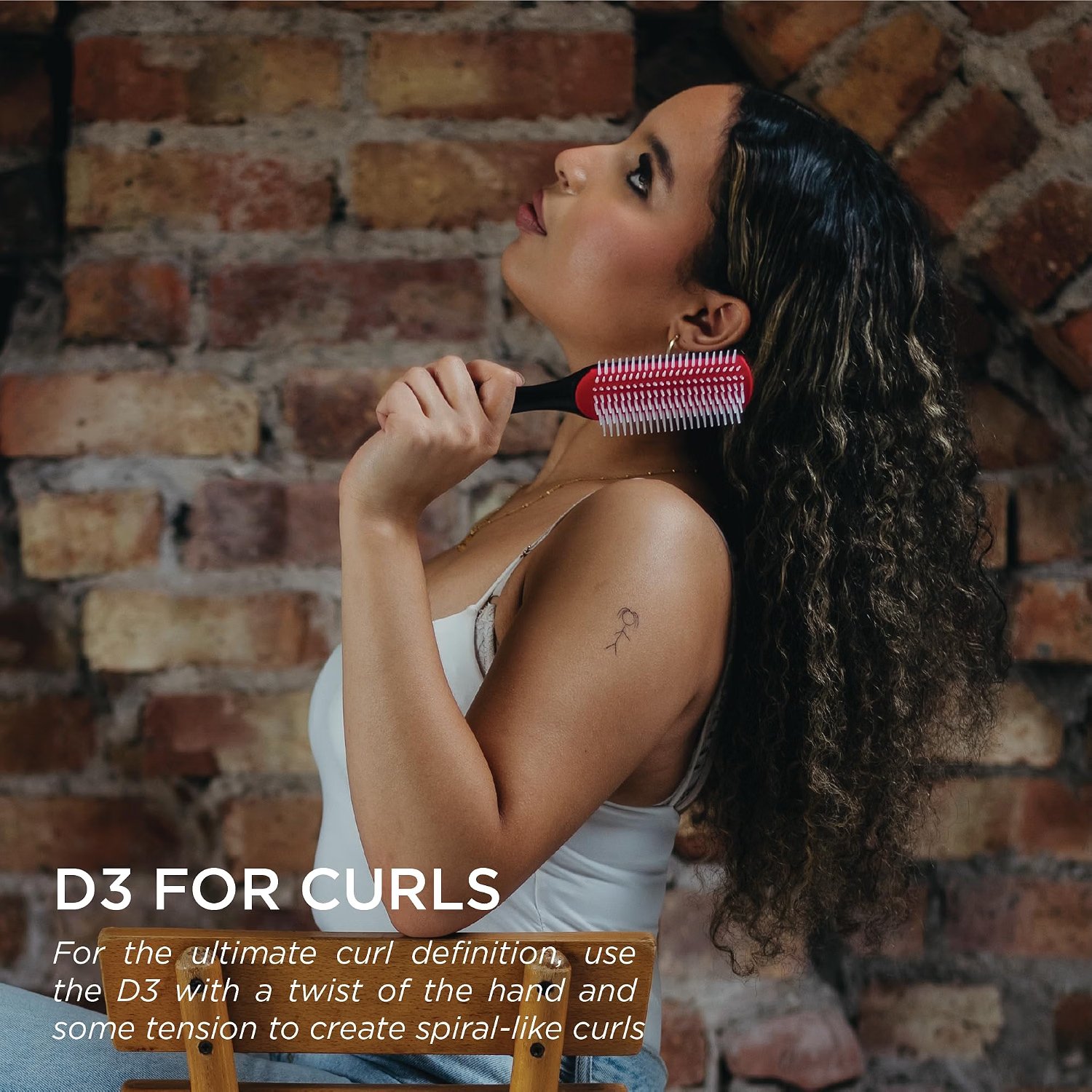
Denman D3 Styling Brush
Curly Hair Brush for Women & Men – 7 Row Detangling & Curl Defining Brush
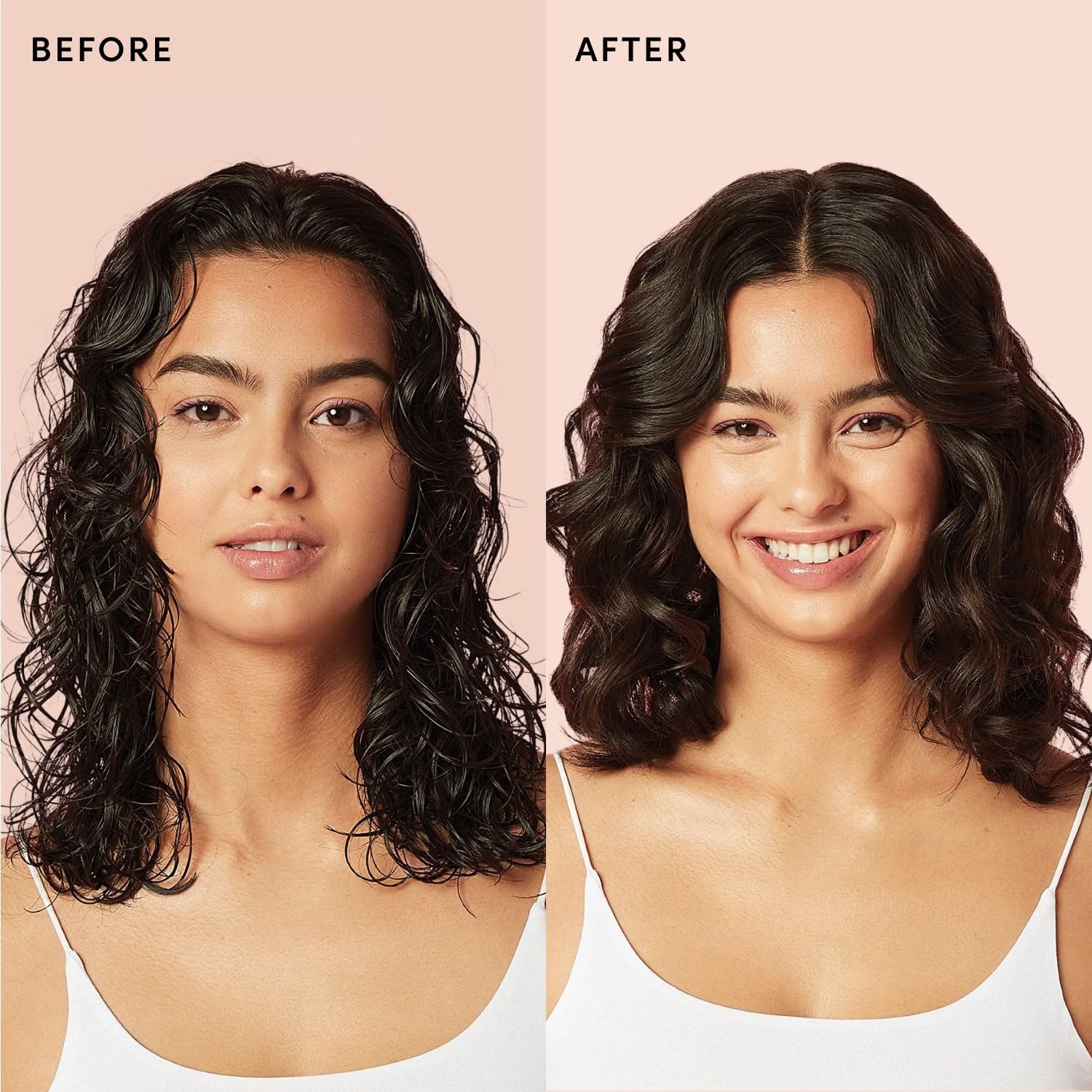
Anti Frizz Cream
Paraben, Phthalate & Sulfate Free
5 Things to Know
Bangs shrink when they dry. Especially if you have wavy or curly hair, your stylist should account for this—and so should you if you are trimming at home.
The grow-out is part of the plan. Shaggy and curtain bangs are designed to transition into side bangs and face-framing layers. Ask your stylist to cut them with the grow-out in mind.
Your cowlick will fight back. A good cut works with your natural growth pattern. Blow-drying side to side before styling neutralizes cowlicks.
Maintenance is non-negotiable. Even low-maintenance bangs need a trim every 3 to 4 weeks to stay intentional. Micro bangs need more frequent upkeep.
Bangs are not one-size-fits-all. The same curtain bangs that flatter a heart-shaped face may need adjustment for a square jaw. A consultation with a stylist who looks at your face is worth more than any Pinterest board.
Why Bang Haircuts Work
Bangs work because they manipulate proportion. They can visually shorten a long forehead, widen a narrow face, or soften a strong jawline by drawing the eye to the center of the face. They also create the illusion of volume at the crown, which makes thin hair look fuller and fine hair look denser. The approach is less about covering the forehead and more about framing—cutting bangs so they move with the hair and blend into layers, which makes them feel modern rather than retro.
Rules to Follow for Perfect Bangs
Rule 1: Never cut bangs on wet hair unless you are a professional. Hair springs up as it dries, and you will end up with bangs shorter than you intended.
Rule 2: Style bangs first, then the rest of your hair. Bangs dry fastest and set the shape of the whole look.
Rule 3: Less product is more. Heavy products make bangs separate and look greasy. A small amount of mousse or cream at the ends is enough.
Rule 4: Do not fight your texture. Curly bangs should curl; wavy bangs should wave. Forcing straight bangs onto curly hair or curls onto straight hair creates daily styling battles.
Rule 5: Book a trim before you “can’t stand it anymore.” Waiting until bangs are in your eyes leads to impulsive at-home cuts. Schedule trims at the 3-week mark.